


Cart
Your shopping cart is empty!
It's never too late to make things right :)


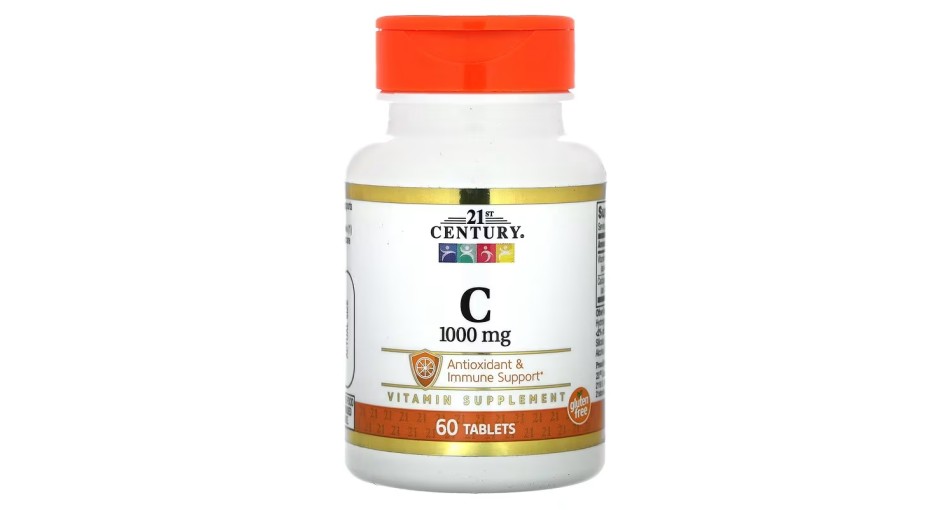
Vitamin C, or ascorbic acid, is one of the best-known vitamins. People search for it as "vitamin C", "vitamin C 1000" and "what is vitamin C for". Here we explain in plain words what it is, why people take it, which forms of vitamin C exist and how to choose one.
Vitamin C is a water-soluble vitamin, also known as ascorbic acid. The human body does not make it, so it has to come from food: citrus fruit, rose hips, blackcurrants, peppers, kiwi, cabbage. Because it dissolves in water, the body does not store it for later, so it needs to be supplied regularly.
Vitamin C supplements are made for people who find it hard to get enough from their diet, and for those who simply like a convenient form on hand: a tablet, a capsule or a powder.
Several claims are approved in the European Union for vitamin C. They read as follows:
That is everything that can be said about vitamin C responsibly. It does not cure colds and is not a substitute for treatment. If you are ill, see a doctor.
All forms contain ascorbic acid or its derivatives. The difference lies in convenience, composition and price per serving.
All options are collected in the Vitamin C section.
The number 1000 in the name (for example, 1000 mg) shows how much vitamin C is declared in one unit of the product, a tablet or a capsule, according to the manufacturer. It is not a recommendation of how much to take. The serving is shown on the pack, and that is the one to follow. If in doubt, discuss it with your doctor.
A supplement does not replace food. Fresh vegetables and fruit provide not only vitamin C but also fibre and other useful substances, so a supplement is seen as an addition to the diet, not a replacement. Vitamin C is sensitive to heat and light, so there is less of it in foods stored for a long time or heavily cooked. That is why some people choose a supplement as a convenient extra way to get it, especially in winter or on the road.
Vitamin C is also often taken by athletes who train a lot. This is common practice, but it is not a promise of any effect: the approved EU claims are listed above.
Are vitamin C and ascorbic acid the same thing?
Yes. Ascorbic acid is the chemical name of vitamin C.
Is vitamin C better as tablets, capsules or powder?
The vitamin content is the same, so it is a matter of convenience and taste. Powder is sour, capsules are neutral.
Do I need bioflavonoids?
They are additional plant compounds. They are not needed for the EU claims about vitamin C, it is a matter of preference.
Can I take vitamin C together with collagen?
Yes, vitamin C is often part of collagen supplements. Check the composition of your product.
Who should talk to a doctor?
Food supplements are not a substitute for a varied diet. If you have chronic conditions, take medication, are pregnant or breastfeeding, consult your doctor.
You can buy vitamin C tablets, capsules and powder (OstroVit, Biotech USA, Now Foods, 21st Century, California Gold Nutrition) in the Vitamin C section. Warehouse in Lviv, pickup available, delivery across Ukraine.