


Cart
Your shopping cart is empty!
It's never too late to make things right :)


Zinc is a mineral the body needs every day, and athletes and people who watch their diet often add it as a supplement. Here we explain in plain words what zinc is, why people take it, how zinc picolinate differs from other forms and how to take zinc so you choose well.
Zinc is a trace element: you need only a little, but the body does not work normally without it. The body does not make zinc itself, so it gets it from food. Zinc is found in meat, seafood, eggs, dairy, pumpkin seeds, nuts and legumes.
If your diet is varied, zinc comes from food. A supplement is chosen when the diet is one-sided or restricted (for example plant-based), or when a person wants to support their diet with extra minerals.
Several claims are approved for zinc in the European Union. Here they are, with no embellishment and no promises:
That is the answer to "what is zinc for". Keep in mind that a supplement does not treat anything and does not replace a balanced diet. It only helps you get enough of this mineral if food provides little.
Zinc is most often chosen by people who watch their diet and want to cover a possible shortfall of minerals: those on a plant-based or restricted diet, those who eat little meat and seafood, and those who train regularly and put together a vitamin and mineral set for the season. This is not a diagnosis or an indication: if you doubt whether you need a supplement, discuss it with a doctor.
The pack usually says not just "zinc" but the compound it is bound to. The product name depends on it, which is why you see picolinate, gluconate, citrate and other options on the shelf.
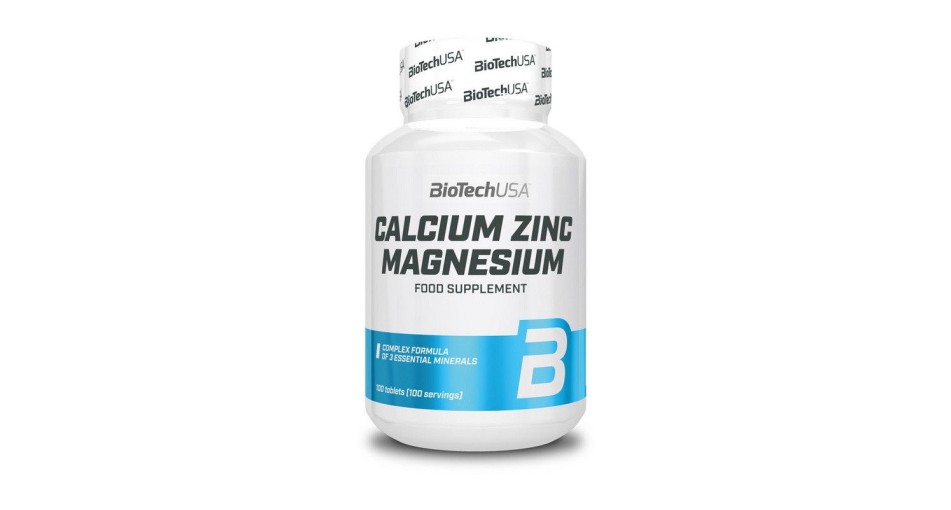
There are also products where zinc is part of a complex with other ingredients: MST ArgiZinc Forte 60 caps (arginine and zinc together), Jarrow Formulas Zinc Balance 100 veggie caps, Biotech USA Calcium Zinc Magnesium 100 tabs (calcium, zinc and magnesium in one product) and Now Foods Zinc 50 mg 100 tabs.
All options are collected in the Zinc section.
Is zinc picolinate better than other forms?
It is a popular form, but there is no universal best. It depends on your choice, the composition and the serving on the pack.
Can I take zinc every day?
Yes, if you stick to the serving stated on the pack. Do not combine several zinc products without checking the labels.
Is it better to take zinc in the morning or evening?
The time is not critical. Choose what suits you and keep to it every day.
Do people who train need zinc?
Zinc, like other minerals, is part of a complete diet. Athletes often choose it along with vitamins and minerals. A supplement does not replace a varied diet.
Can zinc be combined with other minerals?
Yes, ready-made complexes exist. Check the label so you do not get the same mineral twice.
Food supplements do not replace a varied diet. If you have a chronic condition, take medication, are pregnant or breastfeeding, talk to your doctor.
You can buy zinc picolinate, chelated zinc and zinc complexes from MST, OstroVit, Solgar, Now Foods, Jarrow Formulas and Biotech USA in the Zinc section. Warehouse in Lviv, pickup available, delivery across Ukraine.