


Cart
Your shopping cart is empty!
It's never too late to make things right :)


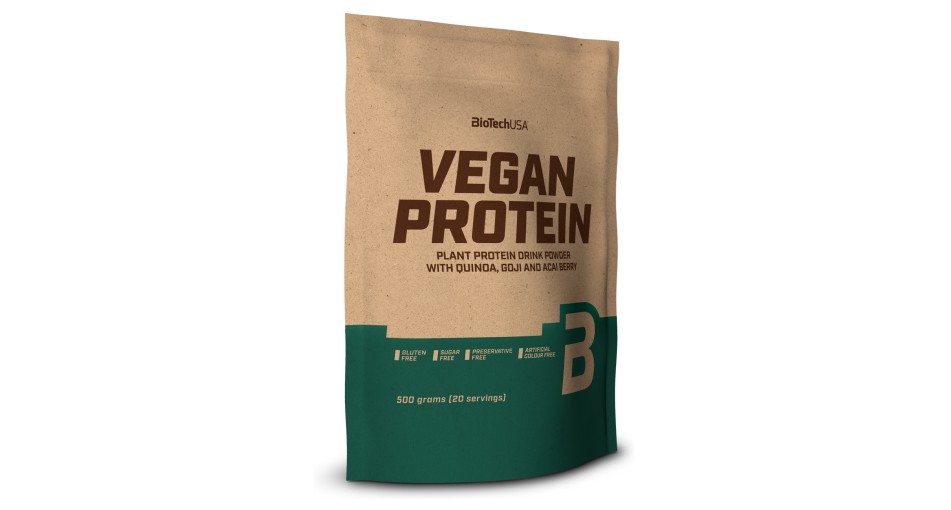
Plant-based protein (also called vegan protein) is a protein powder made without milk. It is chosen by people who avoid animal products, people who want to avoid lactose, and anyone who simply wants an alternative to whey protein. Here we explain what plant protein is made from, how pea protein differs from blends, what it tastes like and how to take it.
Plant protein is concentrated protein extracted from plant raw materials and turned into a powder. You mix it with water or a plant drink, or add it to smoothies, porridge and baking. Unlike whey or casein protein, this product contains no milk.
Protein is most often obtained from these types of raw material:
The exact ingredients depend on the manufacturer and even on the flavour within one range, so check the composition on the pack of your product.
Protein contributes to a growth in muscle mass and to the maintenance of muscle mass. This applies to protein in general, and plant protein is a convenient way to add protein to your diet when you do not get enough from food. For people who eat less meat, eggs and dairy, a powder makes it easier to plan the daily menu.
Who plant protein suits:
If you are allergic to soy, nuts or other ingredients, read the composition and the allergen list on the pack carefully.
Plant proteins can be roughly divided into two types.
All options are in the Plant protein section.
Plant protein differs from dairy protein. The consistency is usually a little denser and more grainy, and the natural taste of the plant base is more noticeable, especially in products without flavourings. That is why many people do not drink it with plain water but blend it with banana, cocoa, berries or nut butter.
The Biotech USA Vegan Protein range comes in several flavours, including:
If you do not yet know which flavour suits you, start with a small pack or a sachet.
General principles of taking protein powder are described in the article Protein powder: what it is and how to take it, and other kinds of protein are collected in the Protein section.
Are vegan protein and plant protein the same?
In most cases yes, these are two names for the same type of product: protein without animal ingredients. Check the exact composition on the pack.
Can I take plant protein if I avoid lactose?
Plant protein contains no milk, so people who avoid lactose often choose it. Still, check the composition and any notes about possible traces of allergens.
Is plant protein only for vegans?
No. It is also taken by people who eat everything but want a different texture or another protein source.
Can I mix plant protein with water?
Yes. With a plant drink the taste is milder, with water it is lighter. See the amount of liquid on the pack.
Who should talk to a doctor?
Food supplements do not replace a varied diet. If you have a chronic condition, take medication, are pregnant or breastfeeding, talk to your doctor.
You can buy pea and vegan protein from OstroVit and Biotech USA in the Plant protein section. Warehouse in Lviv, pickup available, delivery across Ukraine.