


Cart
Your shopping cart is empty!
It's never too late to make things right :)


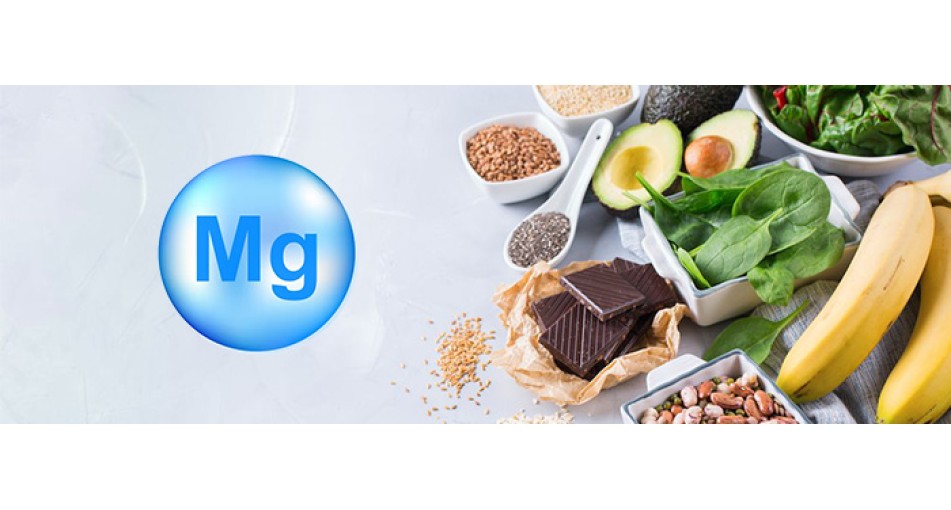
Magnesium is sold in dozens of forms: citrate, glycinate, bisglycinate, malate, oxide, and with vitamin B6. On the shop shelf this looks like a huge choice, but in practice the difference between forms comes down to a few things: how much magnesium is in a serving, how well the form is tolerated by the stomach, and in what format it is convenient to take. Below is a short overview of each form and how to choose your own.
Magnesium is a mineral that the body does not produce on its own, so we get it from food. The most magnesium is found in leafy green vegetables, nuts, seeds, legumes and whole grain foods. According to the claims authorized in the EU, magnesium contributes to:
The reference value for an adult used on labels in the EU is 375 mg of magnesium per day (the so-called nutrient reference value). This is the total amount from food and supplements together. For magnesium from supplements, the European Food Safety Authority (EFSA) has set an upper limit of 250 mg per day for adults: larger servings may have a laxative effect.
Important: packaging often shows two different numbers. For example, "magnesium citrate 1000 mg" is the weight of the whole compound, while the amount of elemental magnesium in it is much lower. Compare products by the "magnesium" line in the nutrition table.
Magnesium bound to citric acid. It dissolves well in water, so it comes both in tablets and as a powder. It is usually inexpensive per serving. Examples: OstroVit Magnesium Citrate 400 mg + B6 (tablets), OstroVit Magnesium Citrate 200 g (powder), MST Magnesium Citrate, Now Foods Magnesium Citrate. All products are collected on the magnesium citrate page.
Magnesium bound to the amino acid glycine. The names "glycinate", "bisglycinate" and "magnesium chelate" on packaging mean practically the same form. It is often chosen for daily use because it is usually gentle on the stomach. Examples: OstroVit Magnesium Glycinate, MST Magnesium Bisglycinate Chelate, Swanson Albion Magnesium Glycinate, Country Life Chelated Magnesium Glycinate. All products are collected on the magnesium glycinate page.
Magnesium combined with malic acid. It is often found in flavored powders and in complexes with several forms of magnesium.
It contains the most magnesium per unit of weight, so a tablet can be small while showing a large number on the label. At the same time, the oxide dissolves poorly in water. It is often used in inexpensive tablets and in blends with other forms.
This is not a separate form but a combination: magnesium (most often citrate or lactate) and vitamin B6 in one tablet. Vitamin B6 also contributes to the reduction of tiredness and fatigue and to normal psychological function, which is why it is often added to magnesium.
Some products combine two or three forms of magnesium in one capsule, for example citrate, malate and glycinate. This way the manufacturer packs more magnesium into a serving. For such products, too, look at the total amount of magnesium in the nutrition table.
ZMA complexes contain zinc, magnesium and vitamin B6. They are usually taken in the evening. Zinc contributes to normal protein synthesis.
Which magnesium is better: citrate or glycinate?
Both forms are popular. Glycinate is more often chosen for being gentle on the stomach, citrate for the price per serving and the option of buying a powder.
Can I take magnesium every day?
Yes, in the serving from the packaging.
What does "400 mg" in the product name mean?
It depends on the manufacturer: it can be the magnesium or the whole compound. Look for the exact amount of magnesium in the nutrition table on the packaging.
Magnesium with or without B6?
If you already get vitamin B6 from multivitamins, you can choose magnesium without it. If not, the combination in one tablet is convenient.
All the forms of magnesium available in the shop are collected in the magnesium section. Look for complexes with zinc in the ZMA section, and other minerals in the minerals section.