


Cart
Your shopping cart is empty!
It's never too late to make things right :)


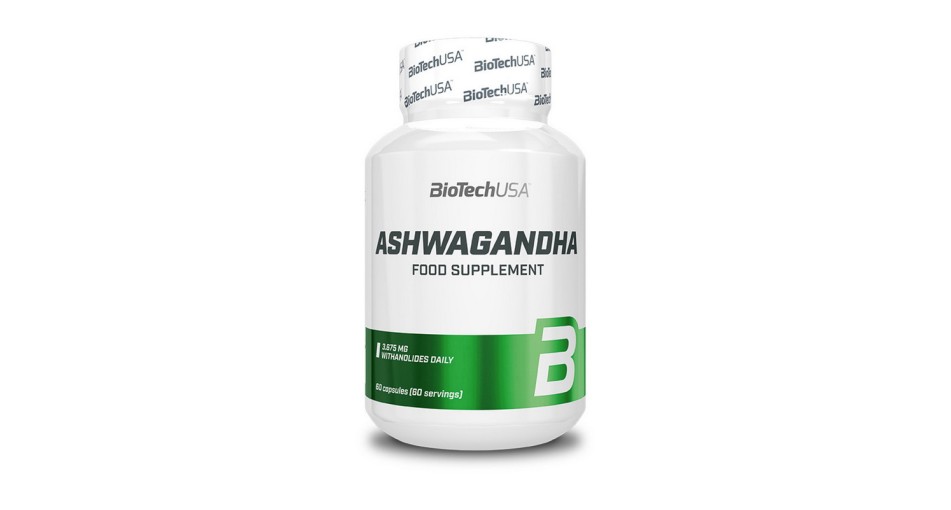
Ashwagandha is a plant whose name appears more and more often in sports nutrition and supplement catalogues. Here we explain in plain words what ashwagandha is, which forms it is sold in, how to take ashwagandha according to the pack and what to look at when choosing a supplement.
Ashwagandha (Latin name Withania somnifera) is a small shrub of the nightshade family. It grows in India, Nepal, Sri Lanka and other regions with a warm, dry climate. The plant is known in the Indian traditional system of Ayurveda, where it has been used for many centuries. Other names are Indian ginseng and winter cherry. These names are only popular nicknames: the plant is not related to true ginseng.
Supplements mostly use the root. It is dried, ground and made into a powder or an extract. So the short answer to "what is ashwagandha" is: a plant material sold as capsules and tablets.
It is worth knowing that there are no EU-authorised health claims for ashwagandha. That is why this article only describes what the material is, which forms exist and how to read the label, without promising any effects.
Ashwagandha is taken by adults interested in herbal supplements, including people who train. It is sold as a single supplement and as a part of blends, for example together with magnesium and vitamin B6. It is a dietary supplement, not a medicine.
Ashwagandha supplements differ mainly in which part of the plant the product is made from and whether it contains a standardised extract.
All options are in the Ashwagandha section.
The difference between capsules and tablets is mostly convenience. Capsules are often plant-based (marked vege or veg caps) and suit people who avoid gelatin. Tablets usually give more servings per pack. Check the label for how much extract is in one serving, because the number of capsules or tablets per serving differs between manufacturers.
Herbal supplements are not suitable for everyone. Before taking ashwagandha, talk to a doctor if you are pregnant or breastfeeding, have a chronic condition (in particular of the thyroid or liver, or an autoimmune one), take medication or plan surgery. Ashwagandha supplements are not given to children without a doctor's advice.
Food supplements are not a substitute for a varied diet. If you have a chronic condition, take medication, are pregnant or breastfeeding, consult a doctor.
What kind of plant is ashwagandha?
A shrub from India whose root is used in the Ayurvedic tradition. In supplements it is sold as capsules and tablets.
What does KSM-66 on the pack mean?
It is the trade name of a patented ashwagandha root extract used by some manufacturers.
How many ashwagandha capsules should I take?
It depends on the product. The serving is on the pack.
Can I take ashwagandha together with other supplements?
Many people combine supplements, but check the ingredients to avoid duplicating them, and talk to a doctor if you take medication.
Are "ashvahanda" and "ashwagandha" the same thing?
Yes, they are different spellings of the same plant. "Ashwagandha" is the most common spelling on imported supplement packs.
You can buy ashwagandha from OstroVit, Biotech USA, MST, Olimp, Now Foods and Kevin Levrone in the Ashwagandha section. Warehouse in Lviv, pickup available, delivery across Ukraine.